Schematic Studies: Schematic Painting Study from Core Searching Drawings - kim heejo

Schematic Studies: Schematic Painting Study from Core Searching Drawings


A body of work that expands the semicircular structures of earlier drawings into painting, combining color, light, optical effects, and mobility to explore a new sensory condition of the picture plane


Schematic Painting Study from Core Searching Drawings is a body of work that extends the semicircle-based formal structures explored in the earlier Core Searching Drawings into the field of painting. Reconstructing the basic forms developed through drawing within a painterly surface, this series combines color, light, and variable visual perception in order to generate a new sensory order. It is therefore not simply a translation of drawing into painting, but a pictorial investigation in which the semicircular structure becomes the basis for visual rhythm, optical experience, and shifting perception within the plane.
 
At the center of the series is the semicircular form. The repeated semicircular elements that appear across the surface do not function merely as decorative motifs, but as fundamental units that organize rhythm, segmentation, density, and boundary within the composition. Arranged vertically or repeated across horizontal bands, these semicircular forms divide the picture plane and establish the structural framework through which color fields, drawing-based traces, and the action of light may enter into relation. The form first explored through line and repetition in the earlier drawings is here transformed into a more materially defined pictorial element, with sharper boundaries, clearer fields of color, and a more developed surface condition.
 
Color plays a central structural role in this work. Pink, blue, yellow, red, white, black, and related hues are not applied as decorative additions, but function as essential elements through which the relationship between semicircular form and planar division is articulated. Through contrast, repetition, and layering, color generates different visual rhythms while bringing the semicircular structure into sharper focus. Strong color fields are often placed alongside relatively open or quiet areas, while drawing-like traces remain visible within or around the painted forms. As a result, the surface does not remain visually static, but acquires a subtle vibration and optical movement.
 
Light is another key condition of the series. Here, light is not treated as something represented from the outside world, but as an active element that alters the sensory condition of the work through its interaction with color, surface, and structural arrangement. In several pieces, illumination intensifies or softens the boundaries of color fields, visually extends the repetition of the semicircular forms, and produces a direct optical tension across the surface. Light is therefore not secondary to the painting, but operates together with form and color as an internal condition that changes the viewer’s experience of the picture plane.
 
Mobility and variability are especially important to this series. The additional frontal panel placed before the painting can be moved, allowing the work to be viewed not as a single fixed image, but as a structure that changes through concealment, revelation, overlap, and displacement. As the panel shifts, certain forms are obscured while others appear, and the relationships among color fields, semicircular structures, and linear traces are altered. In this way, the work moves beyond a static frontal painting and becomes something that is perceived through change, movement, and temporal adjustment. Although it remains planar, it incorporates the possibility of transformation into the experience of viewing.
 
Drawing-derived elements also remain crucial within the series. The visible traces of line, repeated hand movement, and subtle differences of texture and mark-making prevent the work from being reduced to pure color-field painting. The semicircular forms do not appear only as hard geometric figures; they also retain the rhythm of line and the residual presence of the hand inherited from drawing. In this sense, Schematic Painting Study from Core Searching Drawings does not separate drawing from painting, but combines the repetitive logic of drawing with the planarity of painting, the structure of color, and the sensory action of light within a single surface.
 
The series is also distinctive in the way it produces visual depth and spatial tension while maintaining the essential condition of flatness. Rather than constructing a deep illusionistic space, the works create a new sense of spatial perception through the layering of color fields, the repetition of semicircular structures, the intervention of light, and the action of the movable frontal panel. Space here is not the result of conventional perspective, but of perceptual depth generated on the surface itself through the interaction of color, form, light, and movement. In this way, the plane remains intact, yet becomes activated as a field of sensory and structural transformation.
 
Ultimately, Schematic Painting Study from Core Searching Drawings is a body of work that expands the structure of earlier semicircle drawings into painting, combining color, drawing-derived elements, the action of light, and a movable frontal structure in order to explore a new sensory possibility of the picture plane. In this series, the semicircle becomes the fundamental unit through which rhythm and structure are organized; color constructs visual tension and optical effect; light alters the perception of the surface; and mobility transforms the painting from a fixed image into a variable structure. The work may therefore be understood as an important pictorial experiment showing how a formal language developed through drawing can be extended within painting and transformed into a more active and perceptually dynamic visual experience.


What is 'Schematic Medium'?


‘Schematic Medium’ is the core methodology penetrating my artistic world. It is a structure of thinking that does not seek to reproduce the essence of the world, but rather to model how the world operates. This term is defined on two levels

Schematic Chart


The left sector of the chart contains a deep exploration into how I dissect and perceive the source of life and existence. Core concepts like 'Origin', 'Universe', 'Nature', and 'Chaos' are interwoven with the physical dimensions of 'Time' and 'Space.' This reveals that I perceive the world not as a mere phenomenon, but by deconstructing it into fundamental forces and orders. Crucially, the Holon philosophy offers an integrated perspective, showing that every entity is both 'the whole and the part', forming the core pillar of my ontological thought. This sector is the solid foundation of my artistic contemplation and the very manner in which I perceive the cosmos and the self.
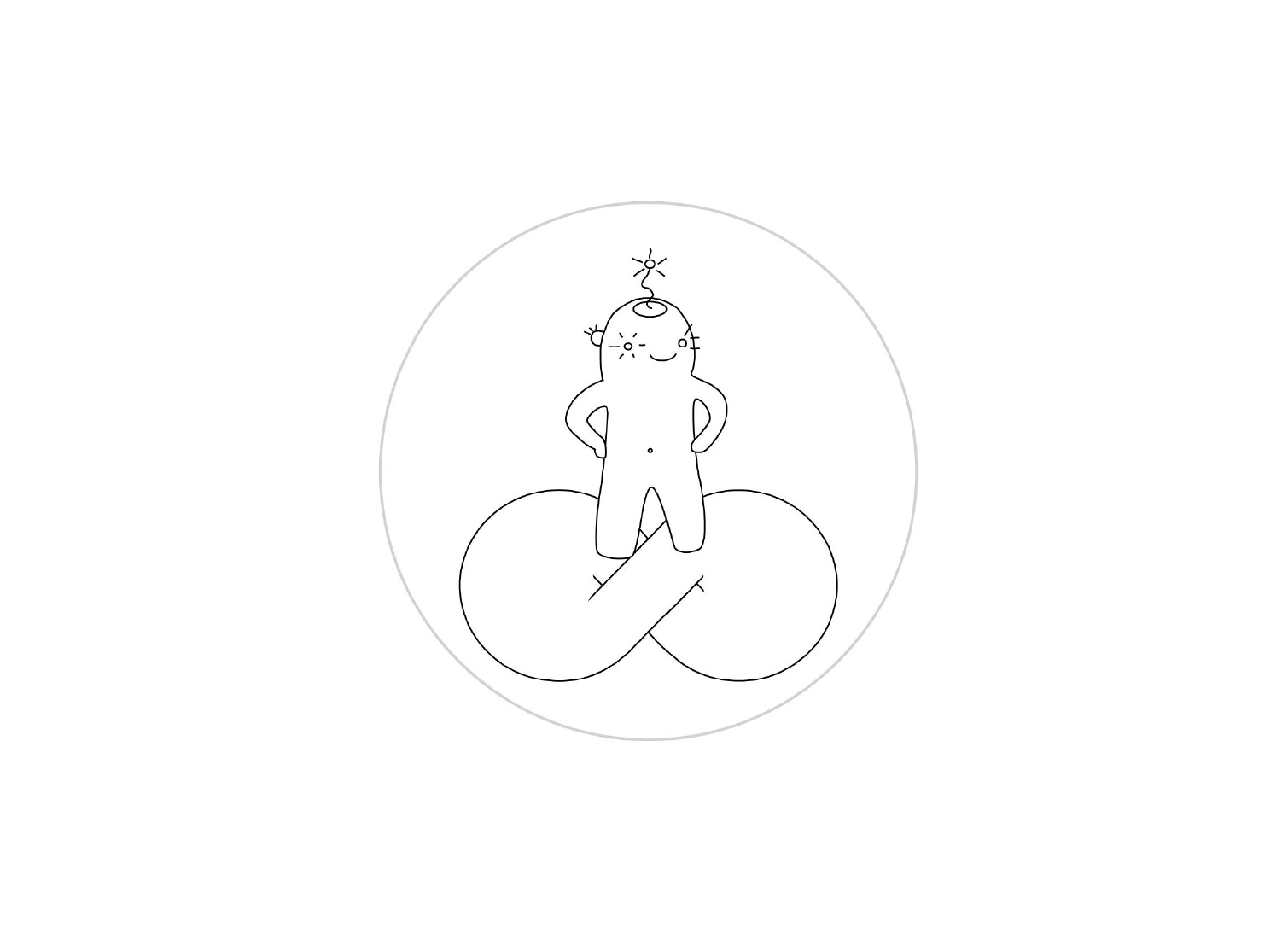
Featured Characters


In the Schematic Chart, my emanated self, RD (Revolutionary Debris), appears alongside other characters. These characters show how my mind and artistic world are structured, and guide viewers to explore my world with enjoyment. Each character goes beyond being a simple symbol and carries the operating principles of the Schematic Medium and hints about forthcoming works. Through this, viewers do not merely appreciate my work but pre-experience another narrative and the possibility of expansion. In the end, this chart is a map that reflects a dimension we do not see in everyday life. Through it I clarify the way I understand and express the world and offer viewers a new visual and philosophical experience. I wish to share not only simple artistic expression but deep thinking and an original perspective.
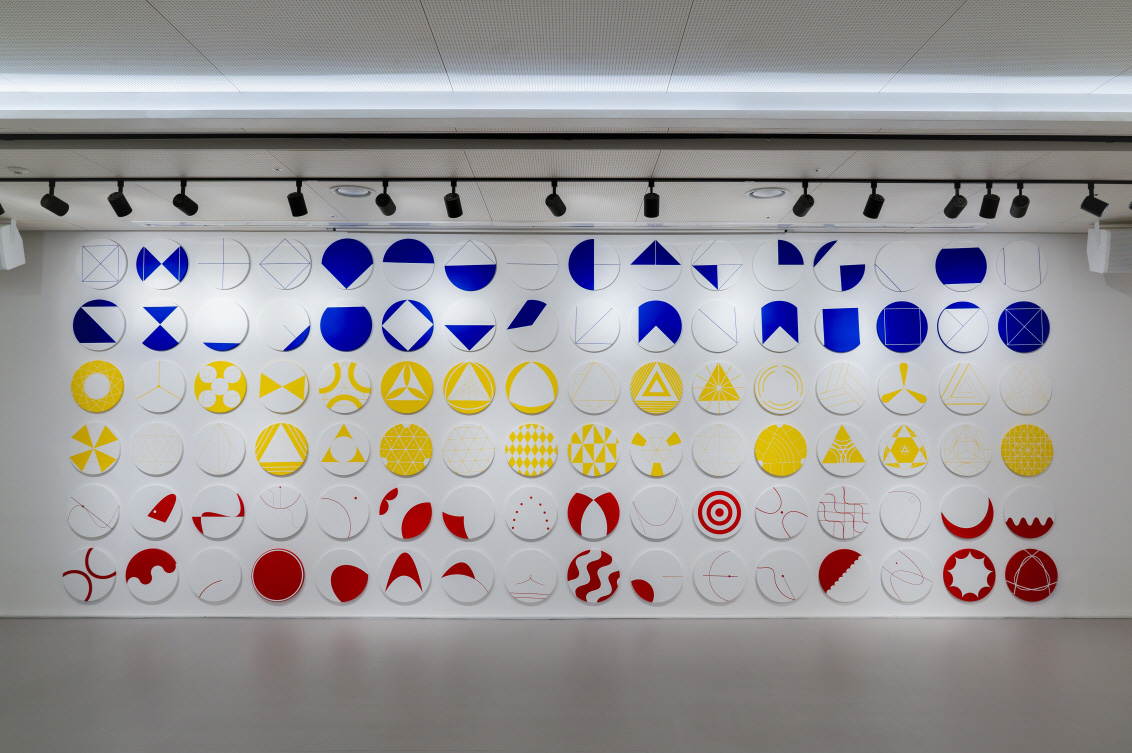
BYR 99 Prime Elements


BYR 99 Prime Elements constitutes the most fundamental structural framework of Kim Heejo’s visual language. The series establishes the minimal unit of form through ninety‑nine elements—thirty‑three each of Blue, Yellow, and Red. Each element carries a specific formal code: Blue (square / human), Yellow (triangle / nature), and Red (circle / cosmos), and the relationships among these three elements generate the artist’s visual system.
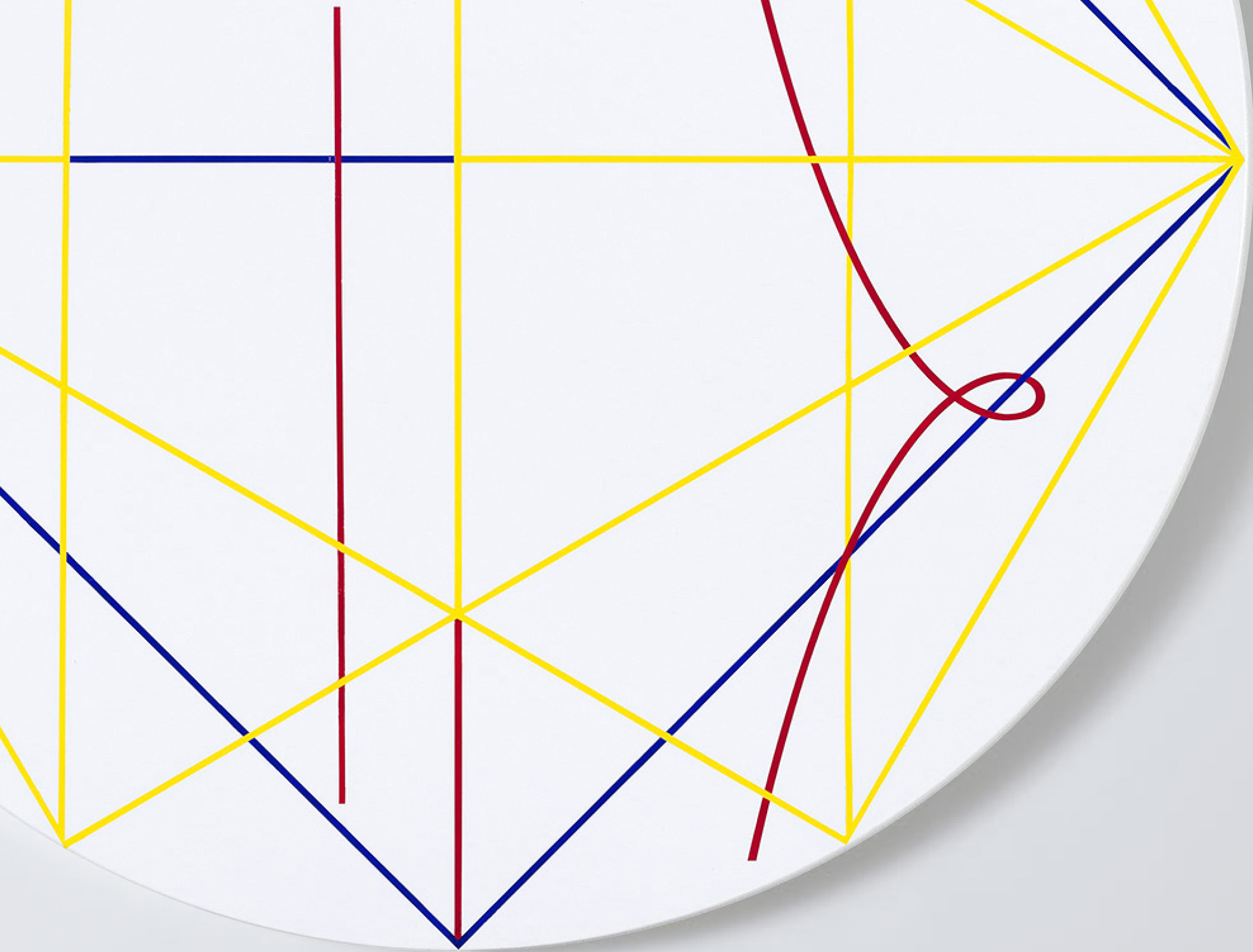
BYR Organic Schemata


BYR Organic Schemata develops from the structure of BYR Prime Elements and demonstrates the organic expansion of the formal system. Through the combination and variation of the basic elements, new configurations of form and structure emerge. The series moves beyond simple geometric units to explore a more fluid and organic visual order.
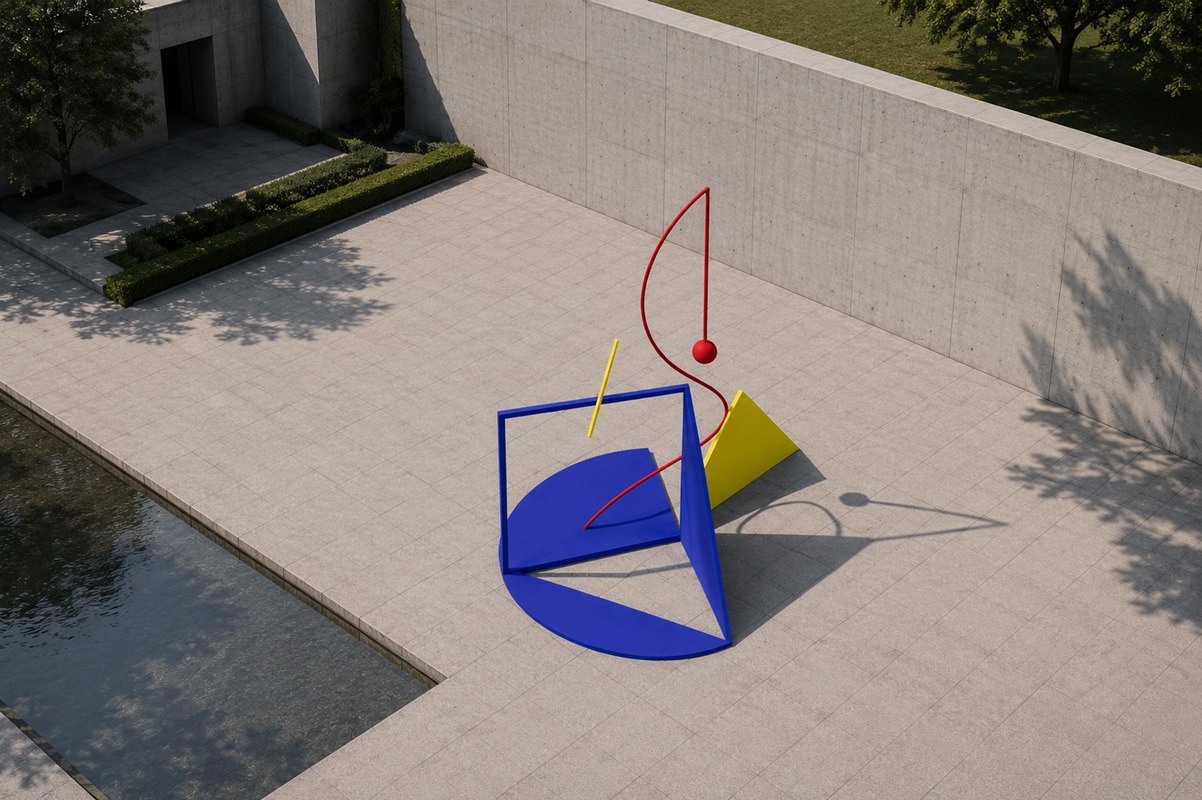
BYR Quad Origin


BYR Quad Origin investigates the generative principles of form by reducing the fundamental elements of the BYR system into a geometric structure. Within the relationships between basic forms and colors, the works examine structure, balance, and tension. Through minimal compositions, the series reveals the structural foundation of the BYR visual language while allowing diverse formal variations.

Tri Form Series


The Tri Form Series rearticulates the conceptual structure of BYR Prime Elements as a unified system. Whereas Blue (Gyeok), Yellow (Hyeong), and Red (Gong) were previously presented as independent formative principles, here they are reconfigured to operate simultaneously within a single, integrated structure.
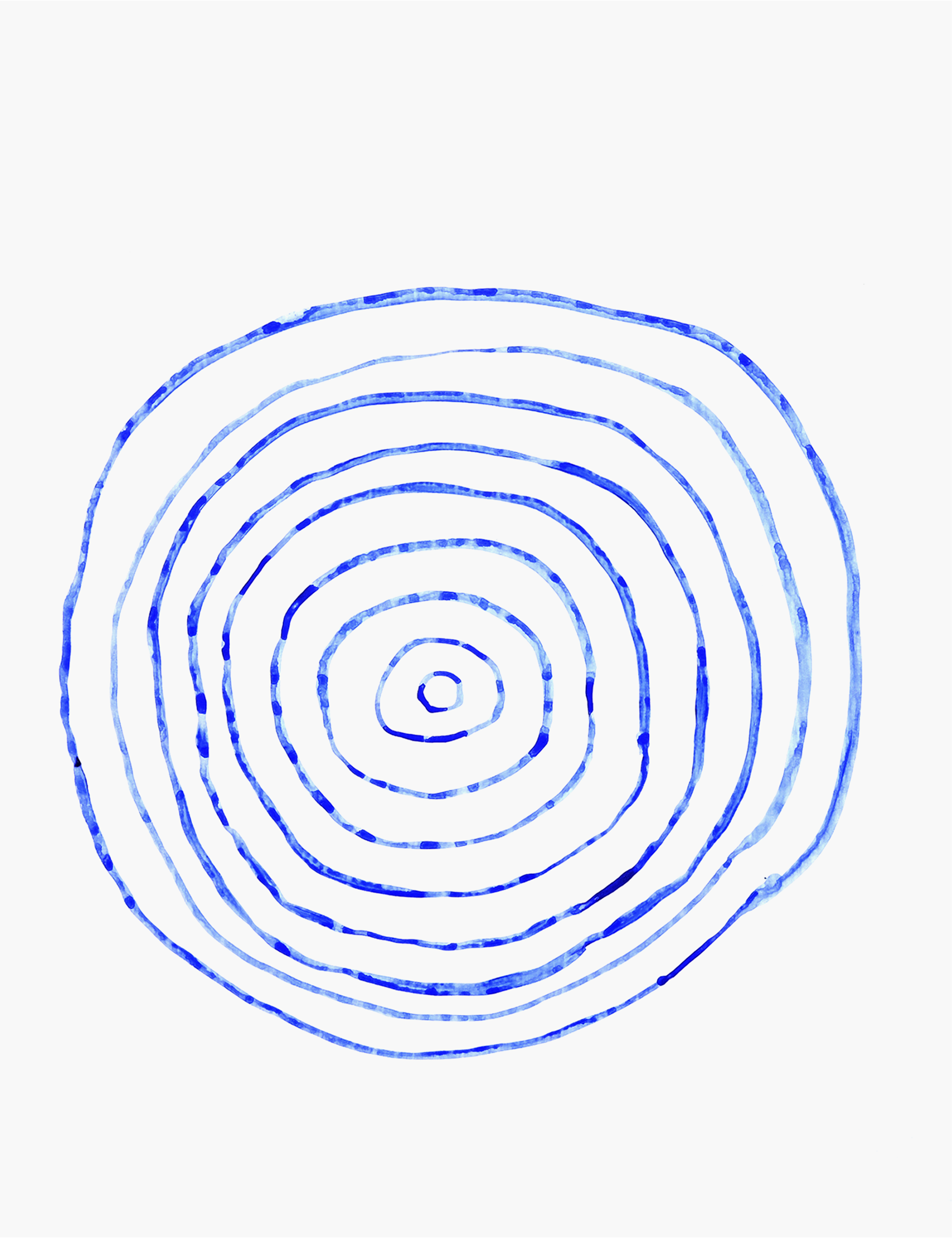
Core Searching series: ‘Semi-Circle & No.9’ Drawing Series


Core-Searching Drawings are early works that investigate the fundamental structure of the artist’s visual language. Through repeated variations of simple forms and signs, the drawings explore the process through which conceptual ideas transform into formal structures. These drawings mark the starting point of a visual system that later expands into painting and object-based works.
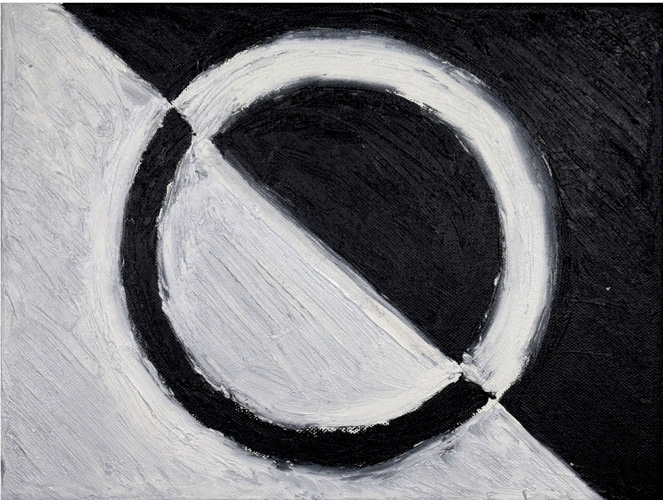
Core Searching series: Core Searching Paintings


Core Searching Paintings is a body of paintings that explores bodily movement and performative process through the fundamental formal language of BYR: the color system of Blue, Yellow, and Red, and the geometric structures of the square, triangle, and circle.
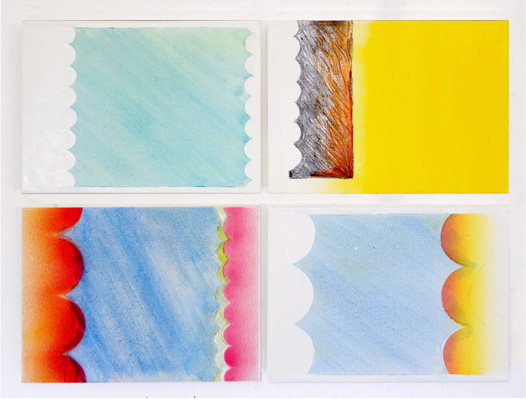
Core Searching series: Color Layered Line Drawing Series


“Color-Layered Line” Drawing Series is a body of work in which colored lines, generated through the movement of the artist’s hand across a measured distance, are layered and accumulated on the surface to form fundamental structures and formal relationships centered on the semicircle.