Schematic Platform no.1 - kim heejo

Schematic Platform no.1


Shifted Topo-logical Thinking with a Distorted Artistic Mind, 2018


Schematic Platform no.1 is an installation work that presents the overall concept of Schematic Medium by organizing drawings, paintings, objects, and structural elements into a single integrated spatial formation. Rather than displaying individual genres side by side as separate categories, this work brings together the different formal languages developed over time and activates them as one unified work. Installed in the 2018 exhibition Shifted Topo-logical Thinking with a Distorted Artistic Mind, it can be understood both as part of the exhibition and as an independent total work in itself.
 
What is central to this work is not the distinction between media, but the transition and integration among them. Drawing no longer remains as line on a flat surface, but extends into spatial structure. Painting exists as color fields and panels on the wall, yet also functions as a rhythm and division within the installation as a whole. Objects do not remain isolated as autonomous sculptural units, but become part of a larger system through their relation of distance, direction, height, and placement to the surrounding elements. In this sense, Schematic Platform no.1 is not simply a site where multiple genres coexist, but a structural platform in which different formal elements are integrated into a single language.
 
As the title suggests, this installation operates as a platform. Here, “platform” does not mean a literal base or display device, but a formal field in which line and plane, color and structure, surface and space, object and installation are brought into relation. Each element appears independently, yet at the same time refers to, tensions, and reorganizes the others in order to produce an overall formal order. The work is therefore both a gathering of individual elements and a unified structure that exceeds them.
 
As visible in the installation, Schematic Platform no.1 organizes space through the simultaneous use of semicircular structures, vertical color bands, linear elements, planar panels, protruding components, and the relationship between wall and floor. Recurrent semicircular forms continue to function as important formal units, while pink stripes, blue planes, black curves, green linear structures, projecting wooden elements, and areas of empty space appear as distinct forms but together generate tension and rhythm within the installation as a whole. In this context, space does not function as a neutral background, but as an active compositional condition through which forms enter into relation and acquire meaning.
 
The work also moves fluidly across the boundaries between plane and volume, wall and floor, surface and structure. Some elements are attached to the wall like paintings yet project into real space; others possess the physical presence of objects while still appearing as extensions of drawing; still others are reduced to minimal line-like structures that nevertheless determine the orientation and flow of the entire space. In this way, Schematic Platform no.1 does not preserve the boundaries between genres as separate entities, but demonstrates how different formal languages may pass continuously into one another within a single spatial condition.
 
The use of materials is equally important to the work. Smooth painted panels, drawn lines, wooden structures, object-like components, and relatively raw material elements are placed together within the same system without a rigid hierarchy. Material here is not simply a means of execution, but a formal unit that produces differences of density, tactility, direction, and presence. Differences in material generate differences in form, and differences in form produce spatial tension and rhythm. Material therefore functions not merely at the level of physical substance, but as an active element in organizing the overall structure of the work.
 
Above all, the importance of this installation lies in the fact that it makes visible the concept of Schematic Medium in its most comprehensive form. Problems that had appeared separately in earlier works—repetition, structure, the semicircle, line, color field, objecthood, and spatiality—are gathered here into one integrated language. Schematic Platform no.1 does not simply present the finished result of a specific medium; rather, it forms a site in which the formal principles and modes of thought that have moved across multiple media are realized simultaneously within one place. In this respect, it is not merely an installation arrangement, but a total work that spatially embodies Schematic Medium itself.
 
The work also refuses a single fixed viewpoint. It requires the viewer to move through the space, to shift distance, and to repeatedly negotiate between part and whole. A given element may initially appear as an independent work, but from another position it becomes legible as only one fragment of the larger structure. This experience transforms the installation from a collection of static things into a relational structure that is perceived and completed through movement.


What is 'Schematic Medium'?


‘Schematic Medium’ is the core methodology penetrating my artistic world. It is a structure of thinking that does not seek to reproduce the essence of the world, but rather to model how the world operates. This term is defined on two levels

Schematic Chart


The left sector of the chart contains a deep exploration into how I dissect and perceive the source of life and existence. Core concepts like 'Origin', 'Universe', 'Nature', and 'Chaos' are interwoven with the physical dimensions of 'Time' and 'Space.' This reveals that I perceive the world not as a mere phenomenon, but by deconstructing it into fundamental forces and orders. Crucially, the Holon philosophy offers an integrated perspective, showing that every entity is both 'the whole and the part', forming the core pillar of my ontological thought. This sector is the solid foundation of my artistic contemplation and the very manner in which I perceive the cosmos and the self.
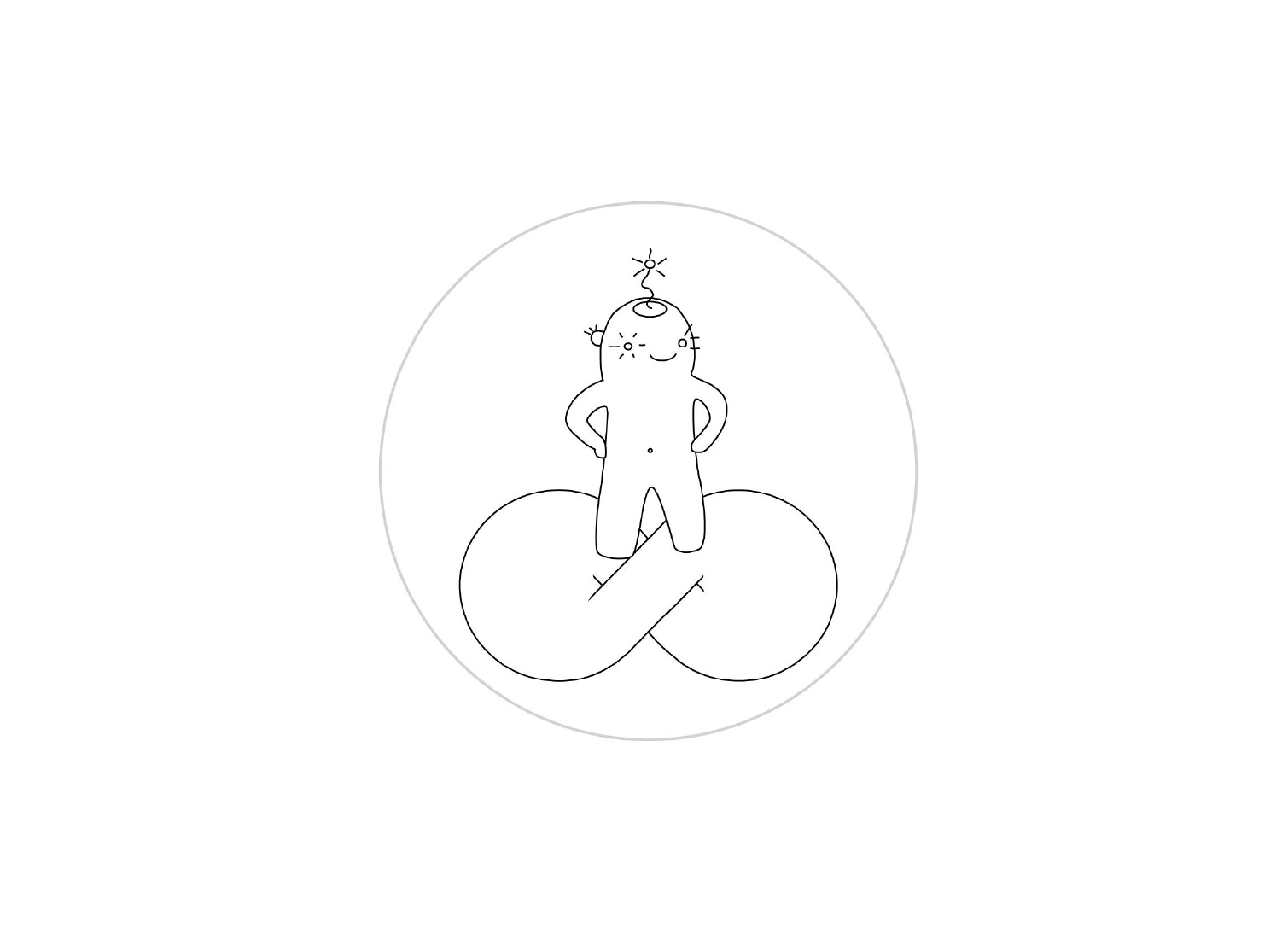
Featured Characters


In the Schematic Chart, my emanated self, RD (Revolutionary Debris), appears alongside other characters. These characters show how my mind and artistic world are structured, and guide viewers to explore my world with enjoyment. Each character goes beyond being a simple symbol and carries the operating principles of the Schematic Medium and hints about forthcoming works. Through this, viewers do not merely appreciate my work but pre-experience another narrative and the possibility of expansion. In the end, this chart is a map that reflects a dimension we do not see in everyday life. Through it I clarify the way I understand and express the world and offer viewers a new visual and philosophical experience. I wish to share not only simple artistic expression but deep thinking and an original perspective.
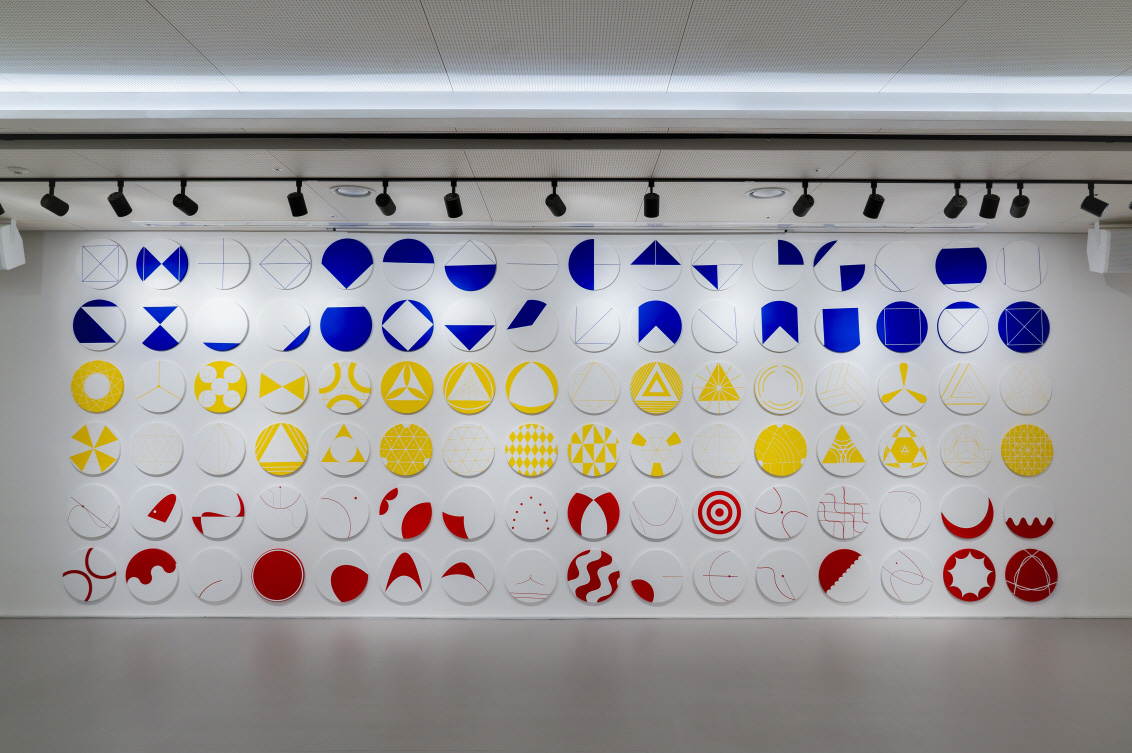
BYR 99 Prime Elements


BYR 99 Prime Elements constitutes the most fundamental structural framework of Kim Heejo’s visual language. The series establishes the minimal unit of form through ninety‑nine elements—thirty‑three each of Blue, Yellow, and Red. Each element carries a specific formal code: Blue (square / human), Yellow (triangle / nature), and Red (circle / cosmos), and the relationships among these three elements generate the artist’s visual system.
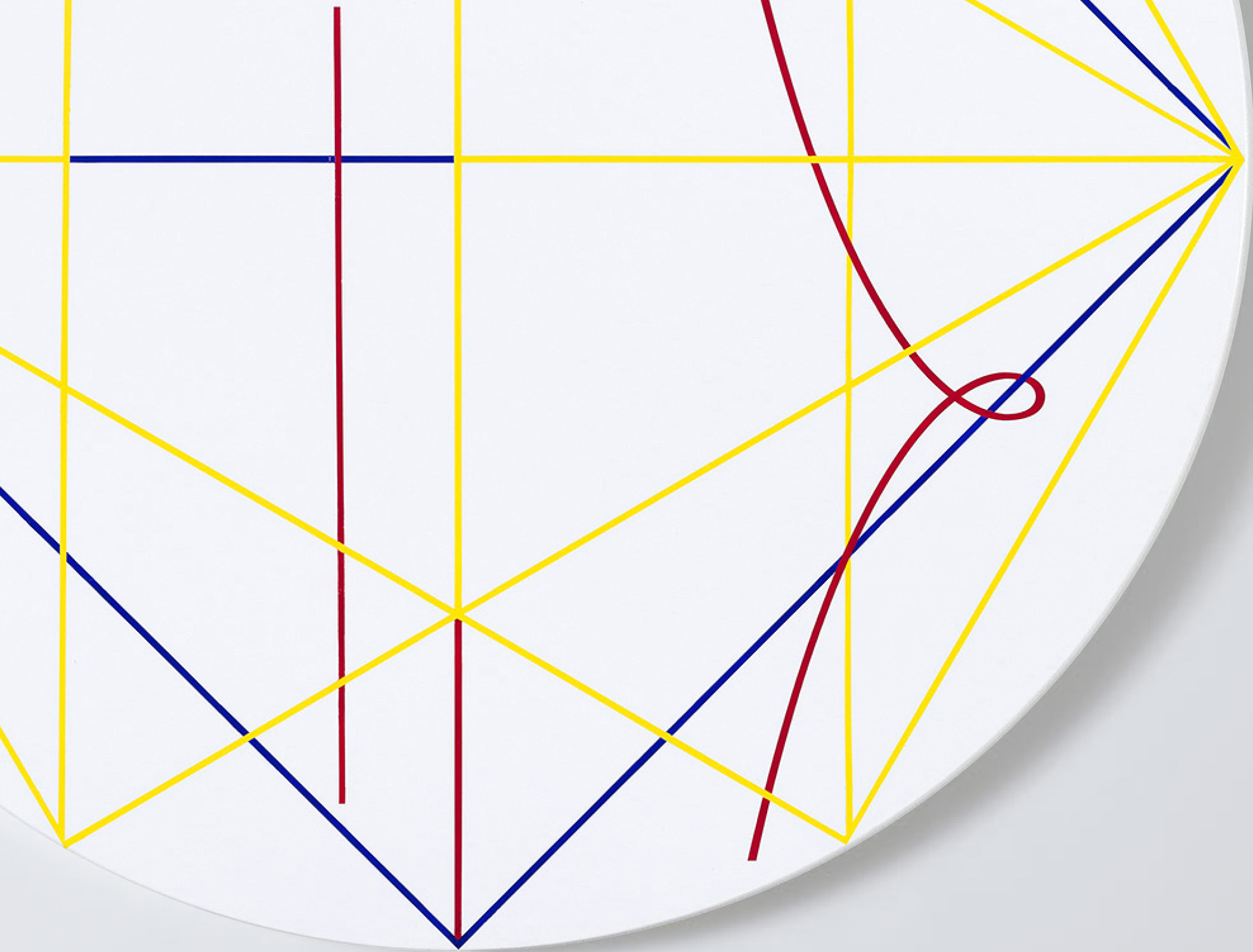
BYR Organic Schemata


BYR Organic Schemata develops from the structure of BYR Prime Elements and demonstrates the organic expansion of the formal system. Through the combination and variation of the basic elements, new configurations of form and structure emerge. The series moves beyond simple geometric units to explore a more fluid and organic visual order.
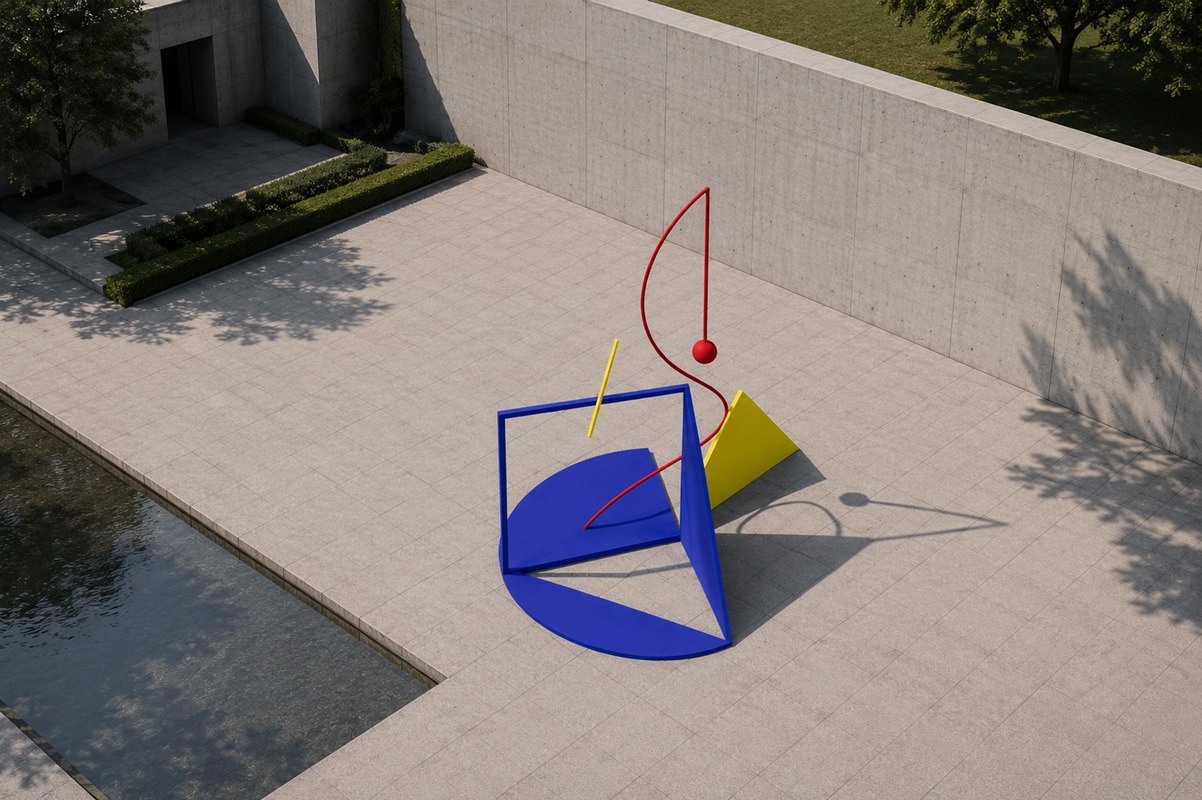
BYR Quad Origin


BYR Quad Origin investigates the generative principles of form by reducing the fundamental elements of the BYR system into a geometric structure. Within the relationships between basic forms and colors, the works examine structure, balance, and tension. Through minimal compositions, the series reveals the structural foundation of the BYR visual language while allowing diverse formal variations.

Tri Form Series


The Tri Form Series rearticulates the conceptual structure of BYR Prime Elements as a unified system. Whereas Blue (Gyeok), Yellow (Hyeong), and Red (Gong) were previously presented as independent formative principles, here they are reconfigured to operate simultaneously within a single, integrated structure.
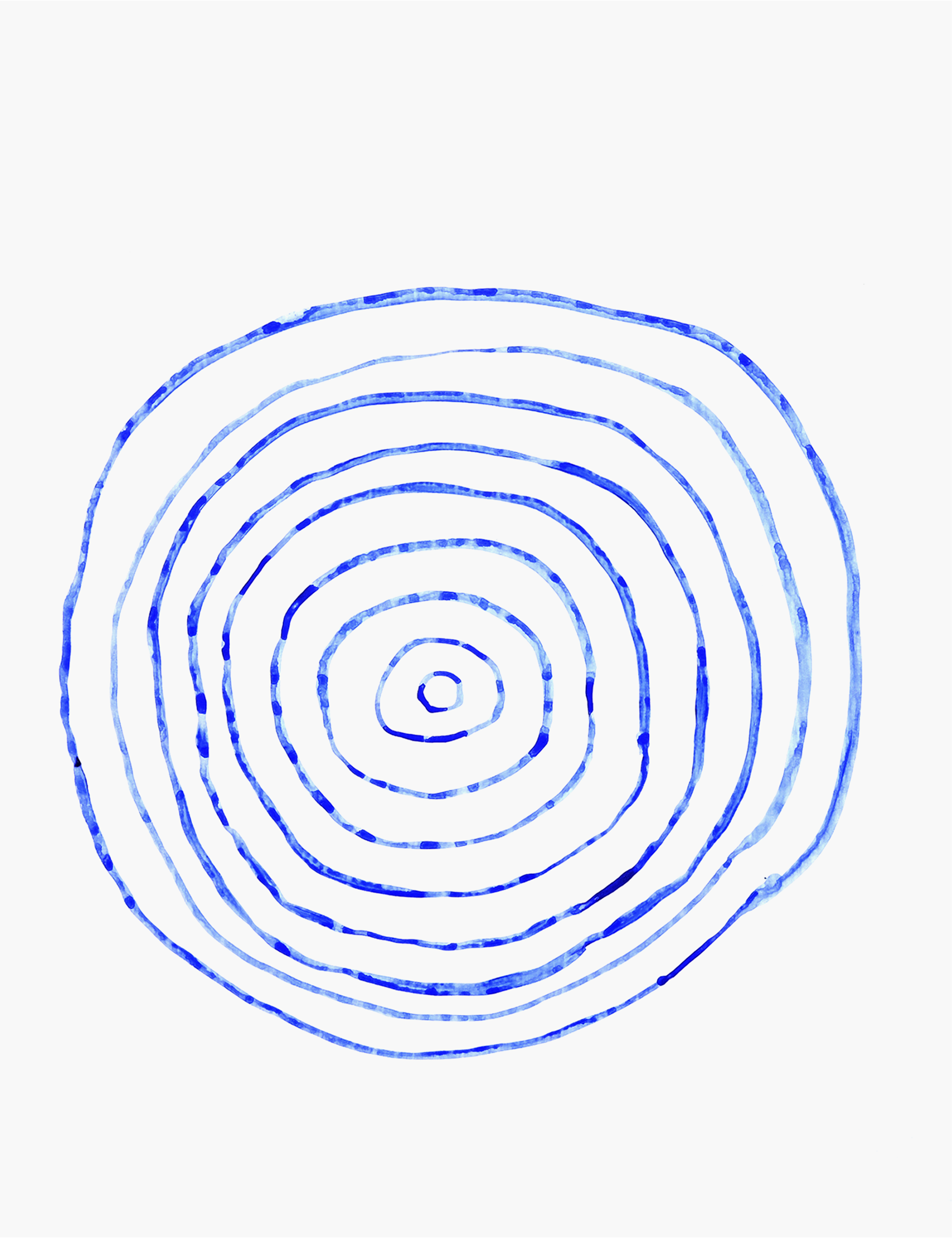
Core Searching series: ‘Semi-Circle & No.9’ Drawing Series


Core-Searching Drawings are early works that investigate the fundamental structure of the artist’s visual language. Through repeated variations of simple forms and signs, the drawings explore the process through which conceptual ideas transform into formal structures. These drawings mark the starting point of a visual system that later expands into painting and object-based works.
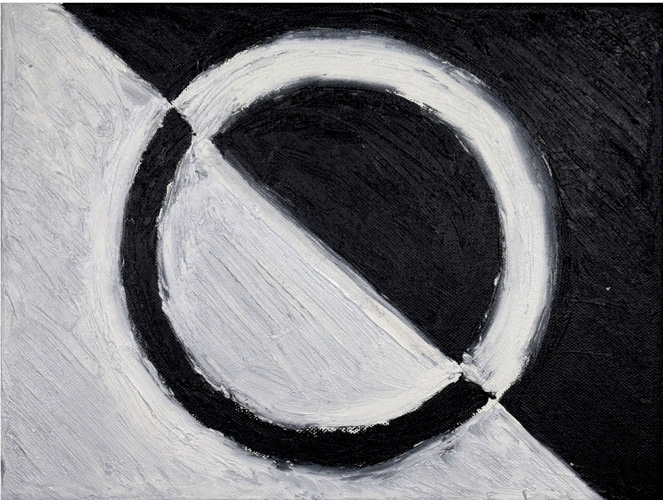
Core Searching series: Core Searching Paintings


Core Searching Paintings is a body of paintings that explores bodily movement and performative process through the fundamental formal language of BYR: the color system of Blue, Yellow, and Red, and the geometric structures of the square, triangle, and circle.
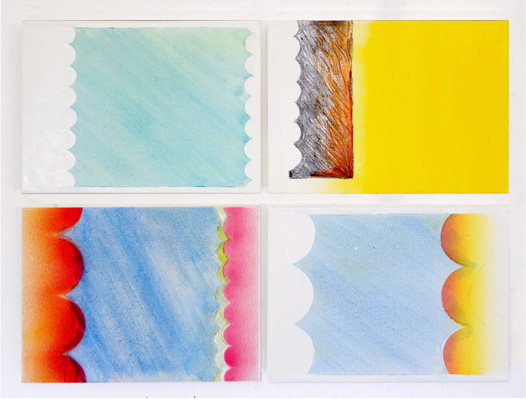
Core Searching series: Color Layered Line Drawing Series


“Color-Layered Line” Drawing Series is a body of work in which colored lines, generated through the movement of the artist’s hand across a measured distance, are layered and accumulated on the surface to form fundamental structures and formal relationships centered on the semicircle.