Schematic Studies: Circle Geometry
A Digital Drawing Series Exploring the Structural Possibilities of Objects through the Combination and Transformation of Circular Geometry
Circle Geometry is a digital drawing series developed in advance of actual object production, created to explore a range of geometric structures and formal relationships centered on the circle. Rather than presenting fully realized three-dimensional objects, these works function as a process of testing and organizing formal possibilities that may later be translated into object-based forms. The series may therefore be understood both as an independent body of two-dimensional works and as a set of structural drawings that lay the groundwork for future spatial realization.
At the core of the series is the circle. As one of the most fundamental and self-contained geometric forms, the circle does not remain here as a fixed symbol of completeness. Instead, it is divided, cut, overlapped, and combined with lines, planes, angles, curves, and asymmetrical elements, becoming the point of departure for a wide range of formal variations. As a result, the circle is presented not as a singular and stable figure, but as a fluid structure continually reconfigured through its relationships with other forms.
Each drawing in Circle Geometry operates less as a finished image than as an experiment in how geometric elements may be combined, tensioned, and transformed to generate new configurations. Circles, semicircles, straight lines, triangles, rectangles, arcs, and cut edges appear as independent forms, yet they are ultimately defined through their relationships with one another. Some intervene within the circle and divide its internal order; others disrupt its outer contour; still others partially dismantle or extend the logic of circular geometry. In this way, the series suggests that the essence of form lies not in any single geometric figure, but in the relations, tensions, and arrangements established among multiple forms.
The fact that this series takes the form of digital drawing is also significant. The digital environment allows for a more precise adjustment of line placement, proportion, division, color arrangement, spacing, and formal balance, while also making it possible to compare and vary a given structure in multiple ways. Circle Geometry is therefore less a drawing based on immediate manual gesture than a conceptual drawing grounded in the analysis and testing of formal combinations and structural possibilities. In this sense, the series emphasizes formal thinking and structural experimentation rather than spontaneous expression.
Although these works exist on a flat surface, their purpose does not lie solely in planar completion. Each drawing contains the possibility of later transformation into an object, and the forms presented in the image are structured with an awareness of their potential spatial extension. In other words, these are not simply visual diagrams, but preparatory works that test how planar formal elements may transition into spatial construction. Circle Geometry thus occupies an intermediate position between surface and object, serving as a means of prefiguring, organizing, and refining form before its translation into three-dimensional structure.
Color also functions in a clearly structural way within the series. Blue, red, green, pink, purple, and related hues are used not for emotional expression, but as visual devices that distinguish formal relationships and clarify structural differences. Color highlights certain figures, defines areas of overlap and division, and reveals both the independence and interconnectedness of the various elements. It therefore serves not as decoration, but as a means of articulating order and making formal relationships legible.
What matters in this series is not the search for a single ideal solution, but the exploration of how fundamental geometric elements can be transformed and combined in multiple ways. At times the circle remains as the most stable and complete form; at other times it appears as a cut segment, or is reconfigured through its combination with entirely different geometric structures. In this sense, Circle Geometry is an ongoing investigation into the expanded possibilities of circular form, accumulating a structural vocabulary that may later develop into actual object-based works.
Ultimately, Circle Geometry is a digital drawing series produced in preparation for future object works, exploring the structural possibilities of objects through the combination and transformation of various geometric elements centered on the circle. Rather than presenting completed forms, the series visualizes a process of formal thought and structural experimentation, showing how forms that begin on a flat surface may later expand into spatial construction. It may therefore be understood not as a mere preliminary sketch, but as an independent field of inquiry in which the possibilities of form are analyzed, organized, and tested in advance of material realization.

What is 'Schematic Medium'?
‘Schematic Medium’ is the core methodology penetrating my artistic world. It is a structure of thinking that does not seek to reproduce the essence of the world, but rather to model how the world operates. This term is defined on two levels

Schematic Chart
The left sector of the chart contains a deep exploration into how I dissect and perceive the source of life and existence. Core concepts like 'Origin', 'Universe', 'Nature', and 'Chaos' are interwoven with the physical dimensions of 'Time' and 'Space.' This reveals that I perceive the world not as a mere phenomenon, but by deconstructing it into fundamental forces and orders. Crucially, the Holon philosophy offers an integrated perspective, showing that every entity is both 'the whole and the part', forming the core pillar of my ontological thought. This sector is the solid foundation of my artistic contemplation and the very manner in which I perceive the cosmos and the self.
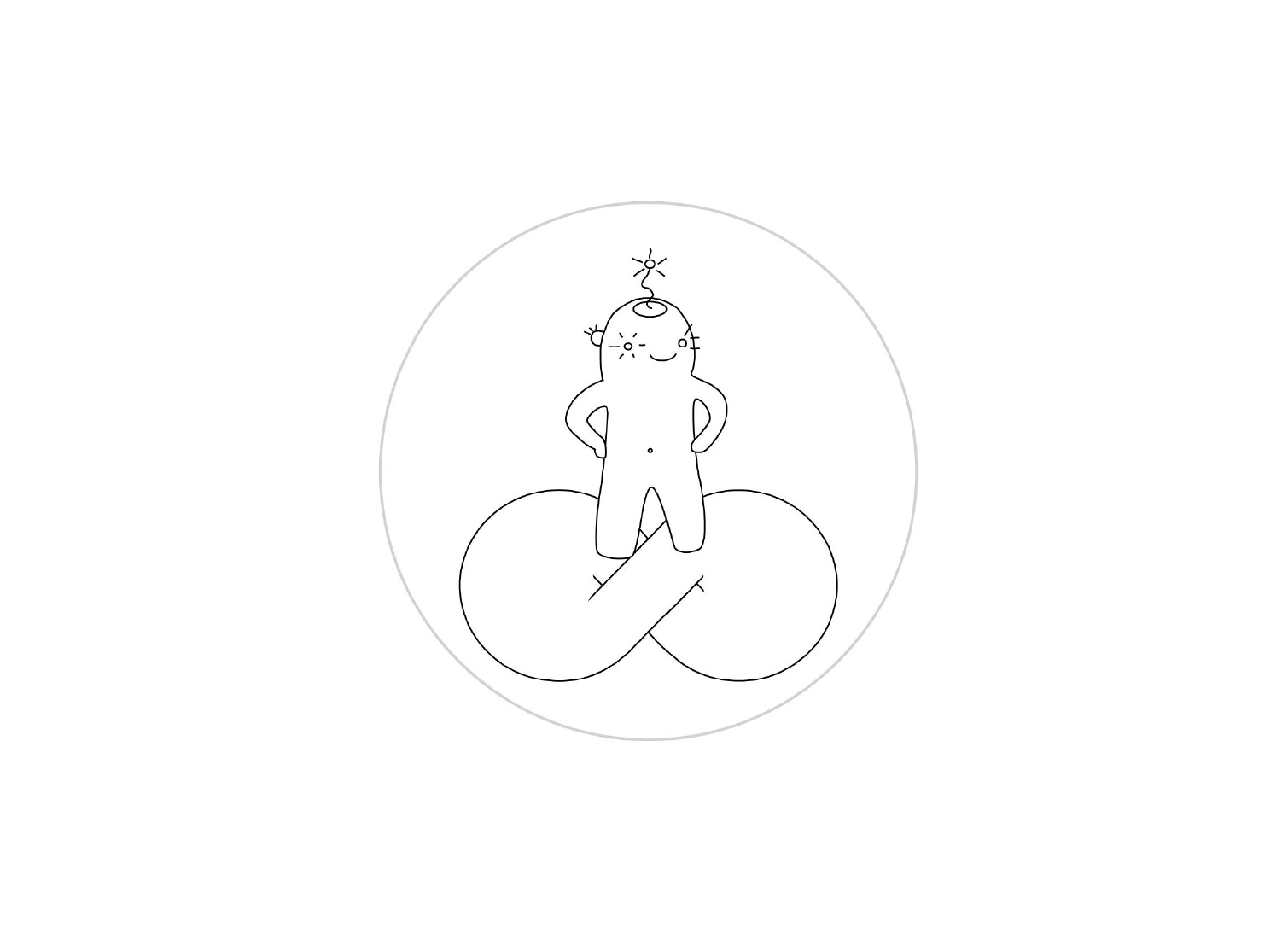
Featured Characters
In the Schematic Chart, my emanated self, RD (Revolutionary Debris), appears alongside other characters. These characters show how my mind and artistic world are structured, and guide viewers to explore my world with enjoyment. Each character goes beyond being a simple symbol and carries the operating principles of the Schematic Medium and hints about forthcoming works. Through this, viewers do not merely appreciate my work but pre-experience another narrative and the possibility of expansion. In the end, this chart is a map that reflects a dimension we do not see in everyday life. Through it I clarify the way I understand and express the world and offer viewers a new visual and philosophical experience. I wish to share not only simple artistic expression but deep thinking and an original perspective.
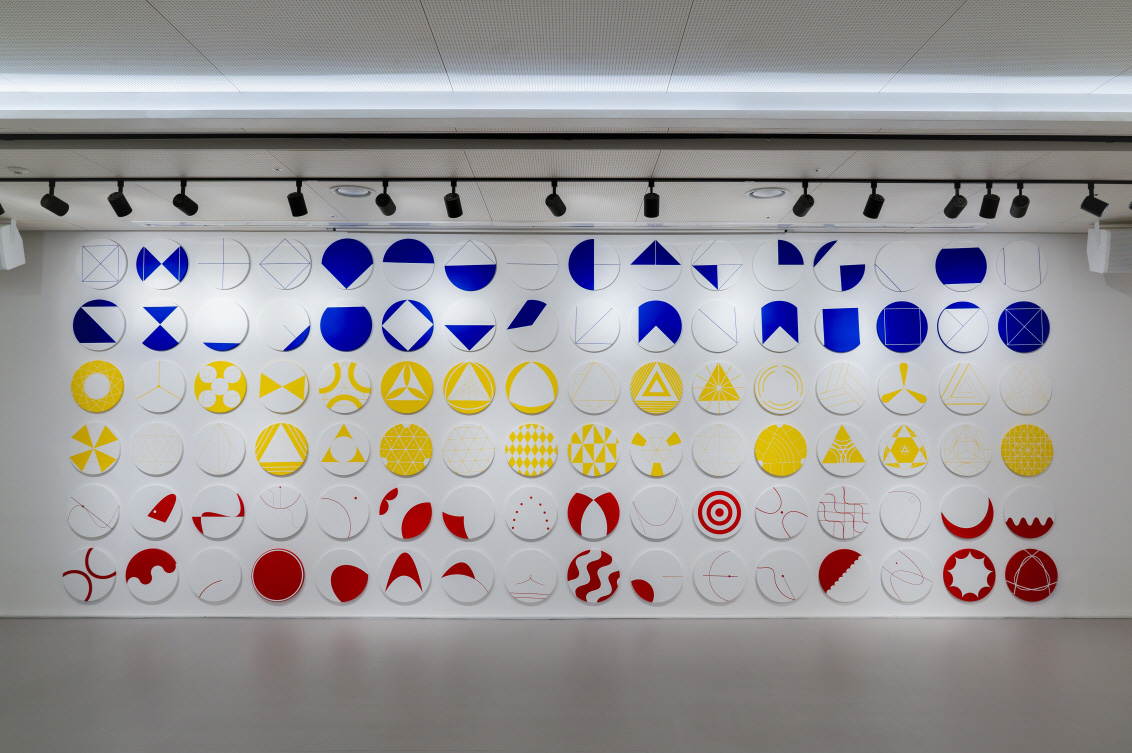
BYR 99 Prime Elements
BYR 99 Prime Elements constitutes the most fundamental structural framework of Kim Heejo’s visual language. The series establishes the minimal unit of form through ninety‑nine elements—thirty‑three each of Blue, Yellow, and Red. Each element carries a specific formal code: Blue (square / human), Yellow (triangle / nature), and Red (circle / cosmos), and the relationships among these three elements generate the artist’s visual system.
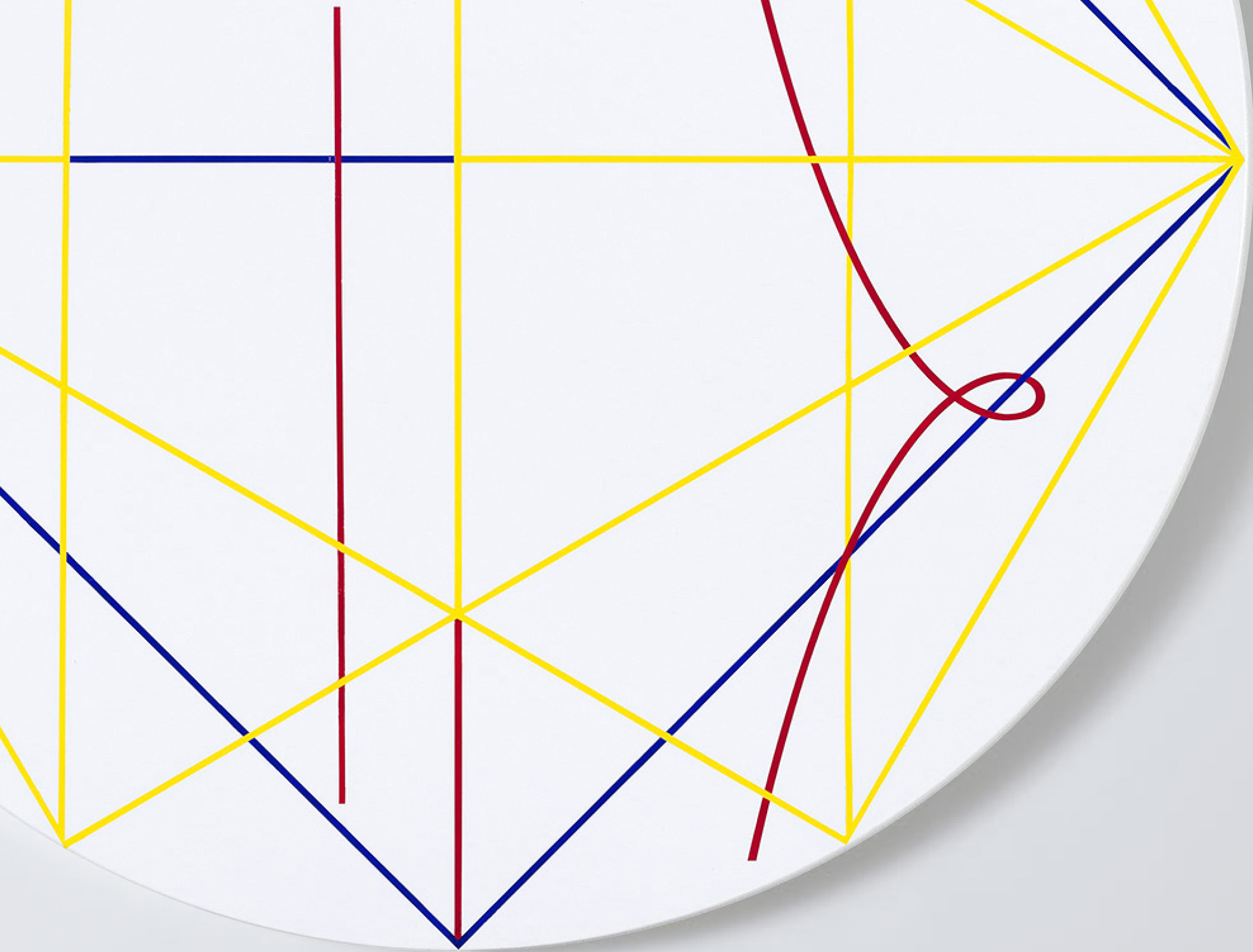
BYR Organic Schemata
BYR Organic Schemata develops from the structure of BYR Prime Elements and demonstrates the organic expansion of the formal system. Through the combination and variation of the basic elements, new configurations of form and structure emerge. The series moves beyond simple geometric units to explore a more fluid and organic visual order.
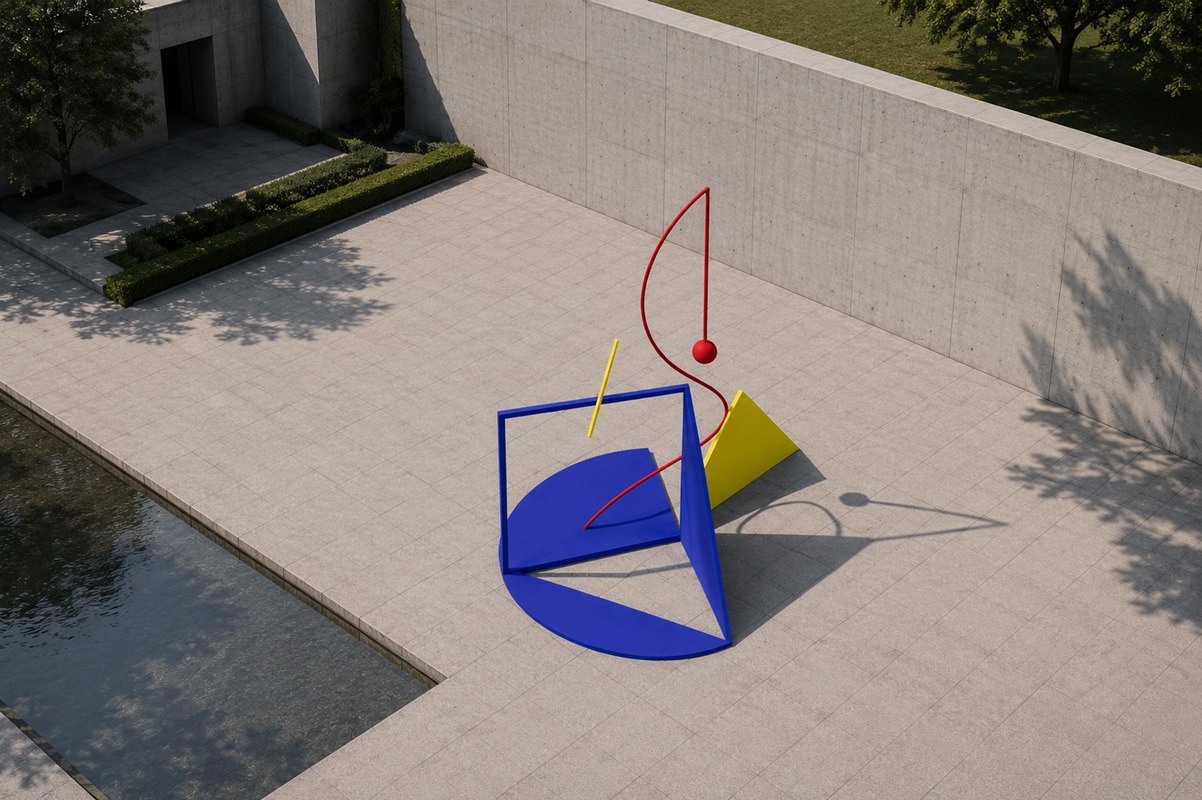
Tri Form Series
The Tri Form Series rearticulates the conceptual structure of BYR Prime Elements as a unified system. Whereas Blue (Gyeok), Yellow (Hyeong), and Red (Gong) were previously presented as independent formative principles, here they are reconfigured to operate simultaneously within a single, integrated structure.
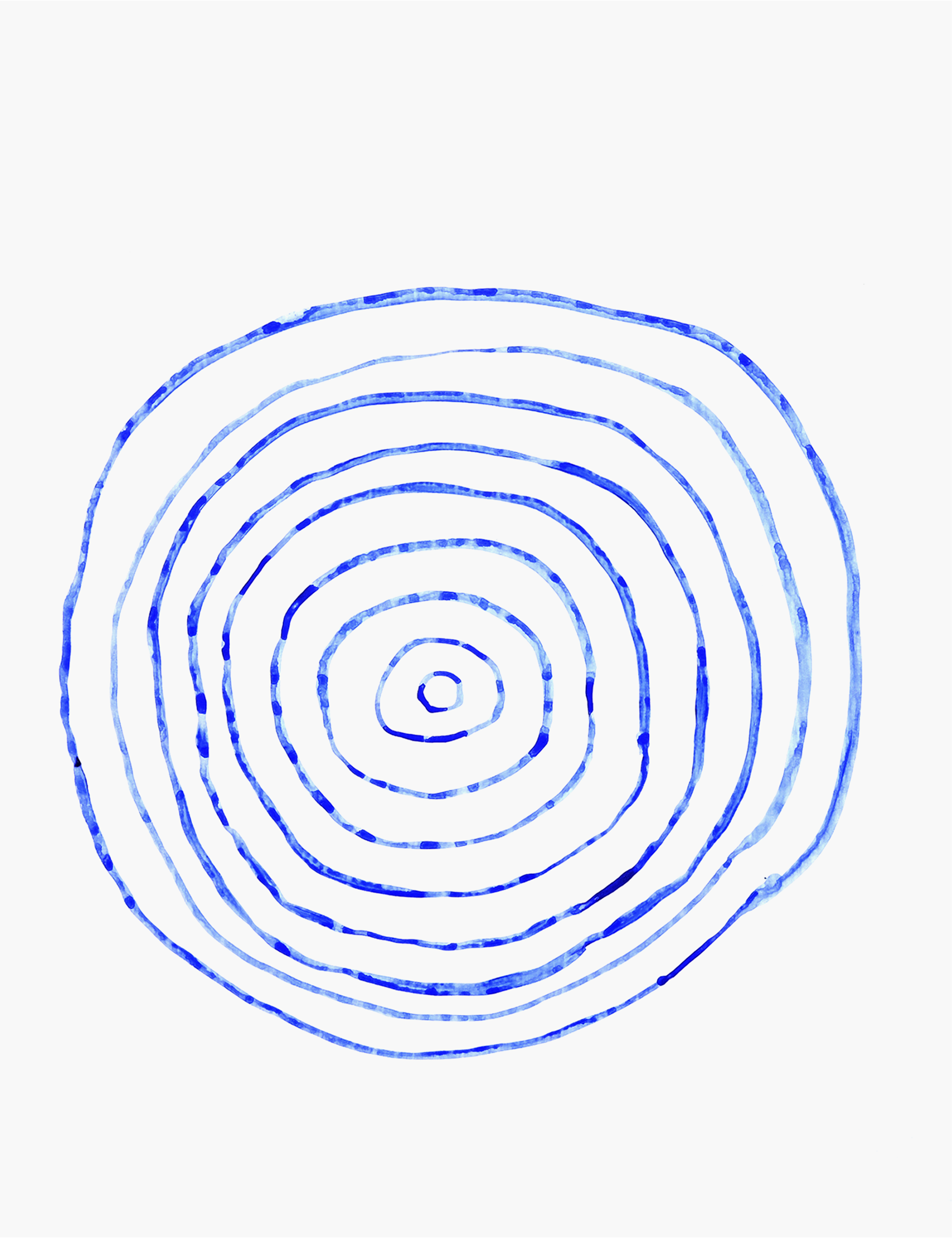
Core Searching series: ‘Semi-Circle & No.9’ Drawing Series
Core-Searching Drawings are early works that investigate the fundamental structure of the artist’s visual language. Through repeated variations of simple forms and signs, the drawings explore the process through which conceptual ideas transform into formal structures. These drawings mark the starting point of a visual system that later expands into painting and object-based works.
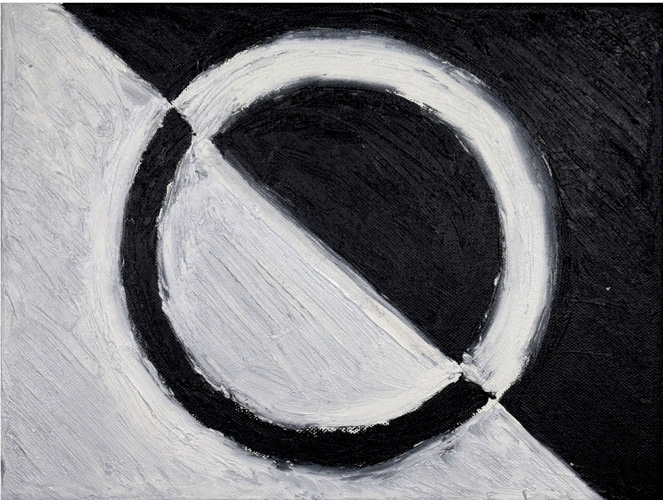
Core Searching series: Core Searching Paintings
Core Searching Paintings is a body of paintings that explores bodily movement and performative process through the fundamental formal language of BYR: the color system of Blue, Yellow, and Red, and the geometric structures of the square, triangle, and circle.
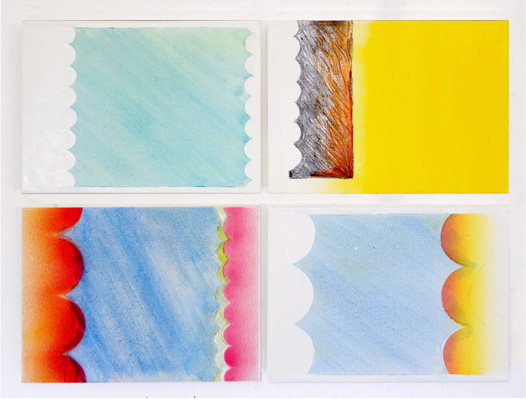
Core Searching series: Color Layered Line Drawing Series
“Color-Layered Line” Drawing Series is a body of work in which colored lines, generated through the movement of the artist’s hand across a measured distance, are layered and accumulated on the surface to form fundamental structures and formal relationships centered on the semicircle.

Schematic Studies: Circle Geometry
Circle Geometry is a digital drawing series developed in advance of actual object production, created to explore a range of geometric structures and formal relationships centered on the circle.