Schematic Studies: Schematic Objects Study from Circle Geometry
A body of work that explores the spatial possibilities of form through the transformation of the geometric structures of Circle Geometry into actual objects, using diverse materials and varied modes of installation
Schematic Objects Study from Circle Geometry is a body of work that extends the circle-centered geometric structures and formal relationships explored in Circle Geometry into actual objects, examining how planar schemata may be transformed into spatial form. Rather than simply translating digital drawings into three-dimensional outcomes, this series functions as an investigation into how basic elements such as the circle, semicircle, straight line, triangle, square, arc, and cut edge may generate material presence, tension, and relational structure within real space. It is therefore best understood not as a presentation of fixed sculptural forms, but as an exploratory study of how schematic structures may be materialized and installed within space.
At the core of the series is the spatial transformation of geometric form. Structures that appeared in Circle Geometry as planar configurations centered on the circle are here reconstructed through actual materials, acquiring thickness, weight, directionality, distance, and a specific relation to the wall and surrounding space. Form no longer exists only as line and plane on a surface, but takes on a new formal character through real volume, structural tension, and spatial occupation. Semicircles, cut circular forms, triangular frames, linear constructions, and curved segments appear as independent forms, yet at the same time establish new tensions and balances through their relationship to the space around them.
One of the most distinctive aspects of this body of work is its departure from conventional sculptural and painterly materials. Various elements—wooden frames, metal wire, panels, cords, painted surfaces, and industrial materials—are combined to construct the formal system of each piece. These materials do not function merely as means of fabrication, but as constitutive parts of the structure itself. In some works, light linear constructions are suspended with a sense of tension against the wall; in others, solid planes and curved structures are combined into a compact object; elsewhere, acts such as hanging, leaning, fixing, attaching, or suspending become central to the definition of the form. Material, in this series, is not subordinate to form, but directly participates in the logic through which form is organized.
The diversity of installation methods is equally central to the character of the work. These objects do not follow the traditional model of either autonomous sculpture placed in space or a uniformly wall-mounted relief. Instead, they are installed in multiple ways: attached flat against the wall, projecting outward from it, suspended by wires or cords, positioned at the junction between wall and floor, or oriented in such a way that the directionality of the surrounding space becomes part of the composition. Through these varied methods of installation, the work is understood not simply as an isolated object, but as a structure activated through its relation to space. In other words, the form is completed not only within the object itself, but also through the manner in which it is positioned and through the relationships it establishes with its architectural context.
Circular structure remains an important formal center throughout the series. Full circles, cut circles, semicircles, partially excised curves, and combinations of circular and linear elements recur across the works, showing how the formal possibilities first tested in the planar context of Circle Geometry are rearticulated in actual space. Yet these circular forms do not remain abstract geometric propositions. Once translated into objects, the circle is altered by gravity, support, thickness, material, direction, and the conditions of installation, acquiring an entirely different sensory and structural character. In this process, form moves away from abstract schema and becomes a concrete construction shaped by the conditions of space and matter.
Linear elements also play an important role. Works made with wire or other minimal linear materials appear almost as if a drawn line had been extended into space, demonstrating how the logic of drawing may function beyond the flat surface. Even in a materially reduced state, these linear structures divide space, direct the viewer’s gaze, and establish tension and orientation. In this respect, the series shows that drawing-based thought can remain active as a structural principle even when translated into object form.
Color is used sparingly, but with clarity and precision. Blue, red, green, pink, and neutral tones appear throughout the series, functioning not as expressive embellishments but as structural devices that distinguish forms and articulate formal relationships. Color serves to emphasize certain elements, clarify the relation between linear and planar components, and generate visual rhythm within space. In several works, strong monochrome areas create a central formal focus or heighten the tension between flat and linear elements, allowing color to operate as part of the structural order rather than as a purely decorative addition.
Above all, Schematic Objects Study from Circle Geometry should be understood as an investigative body of work that reveals the movement of planar schema into spatial reality. Each object functions as an independent work, yet also as a unit within a broader formal language under development. Some pieces test questions of balance and support, others explore combinations of materials, while others examine how installation affects spatial perception and formal articulation. The series is therefore less a collection of finished sculptures than an experimental field in which schematic form is examined from multiple angles as it enters actual space.
Ultimately, Schematic Objects Study from Circle Geometry is a body of work that transforms the geometric structures first explored in Circle Geometry into actual objects, expanding beyond conventional material and formal categories through the use of diverse materials and varied installation methods in order to investigate the spatial possibilities of form. Extending planar structural experiments into material, spatial, and installation-based dimensions, the series demonstrates how form is newly constituted not as a simple geometric figure, but through the interplay of material, support, balance, placement, and relation. It may therefore be understood as an important object-based study of how schematic form acquires physical presence in space and is transformed into a new sensory and structural order.

Schematic Studies: Schematic Objects Study from Circle Geometry
Schematic Objects Study from Circle Geometry is a body of work that extends the circle-centered geometric structures and formal relationships explored in Circle Geometry into actual objects, examining how planar schemata may be transformed into spatial form.

Schematic Studies: Schematic Painting Study from Core Searching Drawings
Schematic Painting Study from Core Searching Drawings is a body of work that extends the semicircle-based formal structures explored in the earlier Core Searching Drawings into the field of painting. Reconstructing the basic forms developed through drawing within a painterly surface, this series combines color, light, and variable visual perception in order to generate a new sensory order. It is therefore not simply a translation of drawing into painting, but a pictorial

Schematic Platform no.1
Schematic Platform no.1 is an installation work that presents the overall concept of Schematic Medium by organizing drawings, paintings, objects, and structural elements into a single integrated spatial formation. Rather than displaying individual genres side by side as separate categories, this work brings together the different formal languages developed over time and activates them as one unified work.

Pattern Studies
Pattern Studies is a body of work centered on pattern as one of the formal elements of Schematic Medium, exploring how repetition, arrangement, color, and rhythm generate structure within the picture plane. In this series, pattern does not function as a merely decorative device or surface repetition, but as a key formal principle through which visual order and sensory rhythm are constructed.
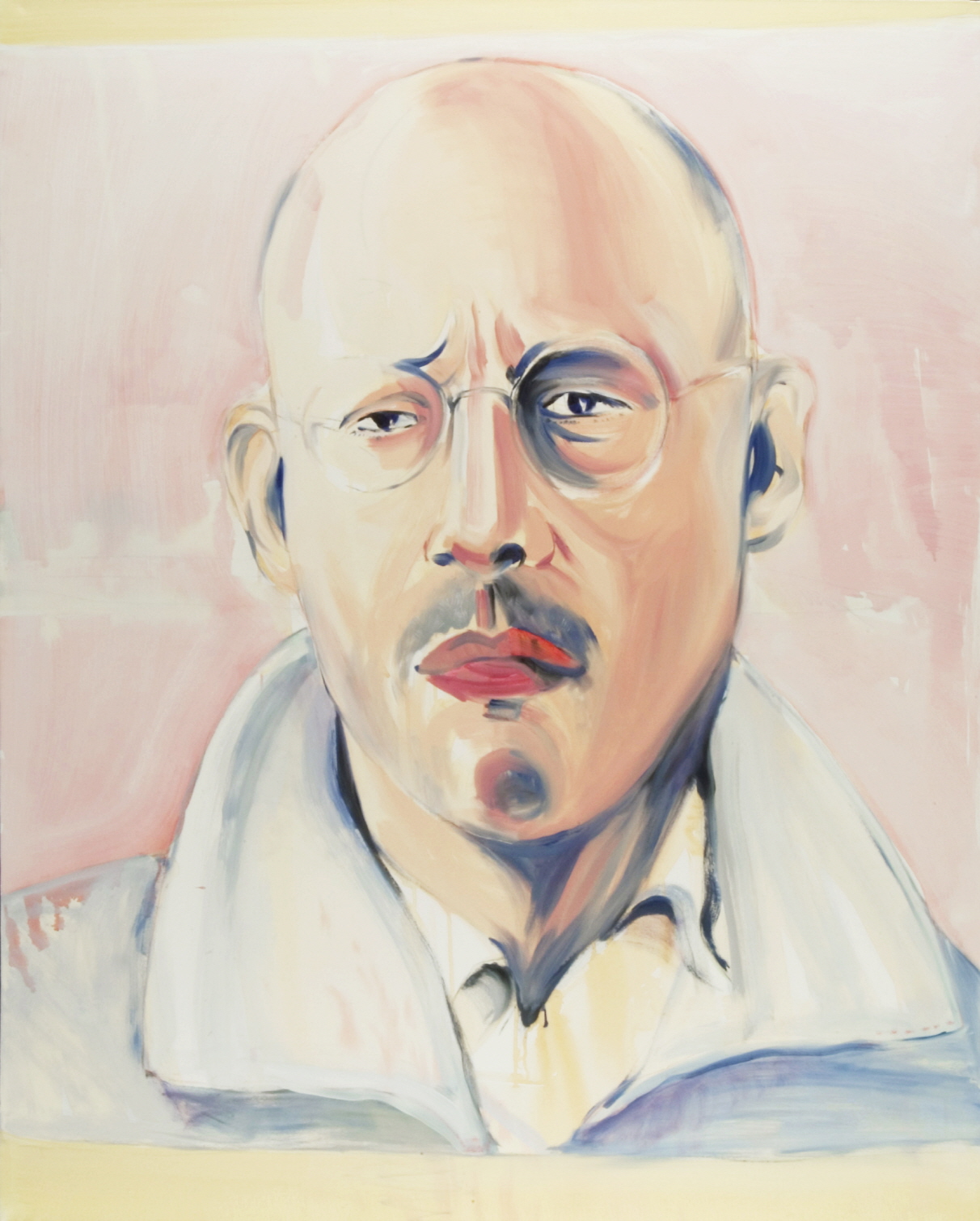
Face Series
The Face series is a body of paintings centered on the human face. Moving beyond conventional portraiture, the works explore emotional and psychological traces of human presence through color, brushstroke, composition, and expression. Each painting articulates the individuality and atmosphere of its subject through painterly means.

Genetic Clones: Hello! Dolly!
The sheep that appear on the surface maintain a consistent formal structure, yet emerge in different states through variations in color, composition, and surface treatment. Here, the figure of the sheep is treated not as an object of realistic representation, but as something reduced to a simplified unit of form. The body and face are constructed through the relationship between concise masses and planes, while descriptive detail is deliberately restrained. This reduction does not aim to explain the subject concretely, but to reveal how form itself is organized and transformed.