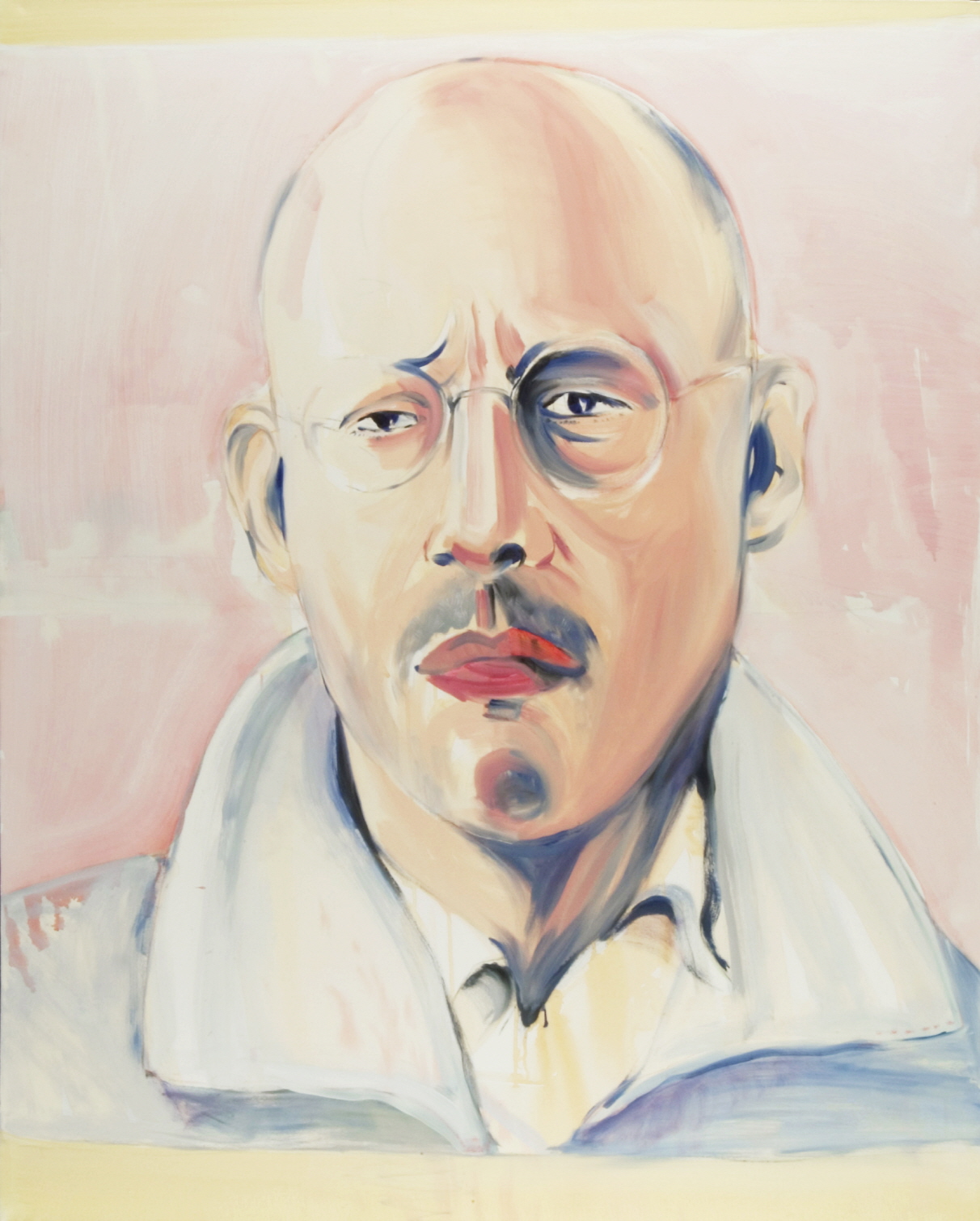
A body of work that investigates pattern as a formal principle within Schematic Medium through repetition, arrangement, color, and rhythm
Pattern Studies is a body of work centered on pattern as one of the formal elements of Schematic Medium, exploring how repetition, arrangement, color, and rhythm generate structure within the picture plane. In this series, pattern does not function as a merely decorative device or surface repetition, but as a key formal principle through which visual order and sensory rhythm are constructed. Rather than aiming to represent a specific image or convey a narrative, the work may be understood as a painterly investigation into how repeated forms can simultaneously produce visual structure and emotional atmosphere.
Repetition is the most important formal condition in this series. Dots, lines, symbolic units, small shapes, stripes, and curvilinear marks are repeated across the surface within particular intervals and densities, forming different kinds of patterns. Yet this repetition does not remain at the level of mechanical duplication. Each unit contains subtle shifts—of scale, direction, pressure, color density, or painterly inflection—and these differences accumulate to produce a field that feels active rather than fixed. In this sense, pattern in Pattern Studies is not a static rule, but a structure that generates difference through repetition.
Pattern also functions as a means of organizing the surface. Repeated units divide and connect the picture plane, establishing relations between center and edge, density and openness, concentration and diffusion. In some works, small forms are evenly distributed to create a stable visual order; in others, stripes or directional repetitions give the surface movement and flow; elsewhere, organic traces and irregular arrangements produce looser and more expansive structures. Pattern here is therefore not an ornament laid upon the surface, but a formal device that determines the structure and rhythm of the composition as a whole.
Color is equally important in this series. In Pattern Studies, color is not simply a secondary means of filling in pattern, but a primary condition that defines the sensory character of repetition. Strong primaries, contrasting hues, softer pastel tones, and relatively restricted monochrome ranges each make the density and rhythm of the repeated structures visually distinct. Color intensifies the identity of repeated units, regulates the atmosphere of the whole surface, and, at times, generates different tensions and emotional responses even within the same structural system. It therefore functions as an active formal element that organizes both structure and sensation at once.
The patterns in this series are not only visual systems, but also structures that act upon perception and feeling. The scale of repetition, the rhythm of arrangement, the intensity of color, and the density of patterned units all influence the emotional impression of the work. Within similar repetitive structures, the viewer may encounter very different states—stability, tension, playfulness, concentration, or expansion. In this way, Pattern Studies does not approach pattern only as a formal problem, but also as a means of examining how repetition and color affect human perception and emotion. Pattern becomes here both a structure to be seen and a rhythm to be sensed.
The series also demonstrates how pattern can expand into an independent formal language within Schematic Medium. Basic units—lines, dots, signs, small shapes, and color fields—move beyond their individual identity through repetition and become larger structural systems. Each pattern forms a self-contained visual order within the surface. In this process, pattern is no longer a decorative background or secondary effect, but a way of revealing formal thought itself. Repetition and arrangement become not simply methods of filling the picture plane, but ways of thinking through the picture plane.
As seen in the works, the series includes a wide range of patterned structures: geometric repetition, organic arrangement, striped systems, dotted distributions, and variations of symbolic or image-like motifs. Some works emphasize clarity and regularity; others foreground subtle instability and fluidity within repetition; still others move between pattern and image, allowing more open compositional structures to emerge. This diversity shows that pattern is not a single fixed form, but a formal system capable of countless transformations and expansions through the principle of repetition.
Above all, Pattern Studies makes clear that, within Schematic Medium, pattern is not a secondary feature but a fundamental formal principle. Repetition constructs structure, arrangement produces order, color gives sensory rhythm, and together these elements form an independent visual language within the picture plane. In this respect, the series does not treat pattern as a matter of surface decoration or style, but redefines it as a key form that organizes both pictorial structure and sensory experience.
Ultimately, Pattern Studies is a body of work that explores pattern as one of the formal elements of Schematic Medium through the relations among repetition, arrangement, color, and rhythm. Here, pattern functions not as decorative repetition, but as a central principle that organizes the structure of the picture plane and activates sensory experience. Each work reveals the relationship between difference and order, density and openness, emotion and structure as they emerge through repetition. The series may therefore be understood as an important study that expands pattern into an independent formal language and demonstrates how painting can generate new visual experience through repetition and rhythm.